Fleet Asset Management Guide: How to Manage Vehicles and Equipment Across Their Lifecycle
Fleet Asset Management Guide: How to Manage Vehicles and Equipment Across Their Lifecycle
A fleet asset is more than a vehicle with a unit number. It is a long-term operational investment that needs to be planned, maintained, measured, and eventually replaced or retired.
Effective fleet asset management gives fleet leaders a complete view of that journey. It brings together the records that explain what an asset costs, how it is used, whether it is safe and available, and when it is time to make a change. When those details live in separate spreadsheets, paper files, or disconnected systems, it becomes much harder to protect uptime and make defensible decisions.
This guide walks through practical steps for managing vehicles, trailers, heavy equipment, and related fleet assets from acquisition through disposal.
What Is Fleet Asset Management?
Fleet asset management is the process of tracking, maintaining, and optimizing fleet-owned assets throughout their useful lives. That includes vehicles and equipment, along with the data and workflows that support them: inspections, maintenance, fuel, parts, labor, warranties, costs, utilization, and replacement planning.
The goal is not simply to know where every asset is. It is to know whether each asset is ready for service, performing as expected, and still the right investment for the work it supports.
For public-sector fleets, utilities, campuses, and service organizations, that visibility matters because a vehicle or piece of equipment may be essential to public safety, operations, or customer service.
1. Start With a Complete, Consistent Asset Record
A lifecycle program begins with reliable asset data. Every vehicle and equipment item should have a single record that follows it from purchase to retirement.
At a minimum, capture:
- Asset number, VIN or serial number, make, model, and year
- Department, location, and assigned operator or work group
- Acquisition date, purchase price, funding source, and expected service life
- Meter type and readings, such as miles, hours, or cycles
- Specifications, upfit details, attachments, and critical components
- Warranty terms, inspection requirements, and compliance dates
- Current status, including active, reserve, down for repair, or retired
Consistency matters as much as completeness. If one shop records labor costs differently from another, or a department uses informal naming conventions, reporting becomes unreliable. Establish required fields, clear status definitions, and ownership for keeping records current.
When leaders need to compare availability, service history, and cost across the fleet, a centralized record prevents them from reconciling conflicting spreadsheets before they can act. FASTER’s fleet management software brings asset status, usage, service history, location, and cost data into one operational record.
2. Plan Acquisition Around the Job the Asset Must Do
The lifecycle cost of an asset is influenced long before it enters service. A lower purchase price can be appealing, but it may not represent the lowest total cost if the asset is poorly matched to its duty cycle, difficult to maintain, or prone to excess downtime.
Before acquiring an asset, define:
- The work it will perform and the environment where it will operate
- Required payload, towing, range, power, or specialized equipment
- Expected annual mileage or hours of use
- Safety, accessibility, emissions, and regulatory requirements
- Maintenance capabilities, parts availability, and technician training needs
- A preliminary replacement horizon and resale or disposal approach
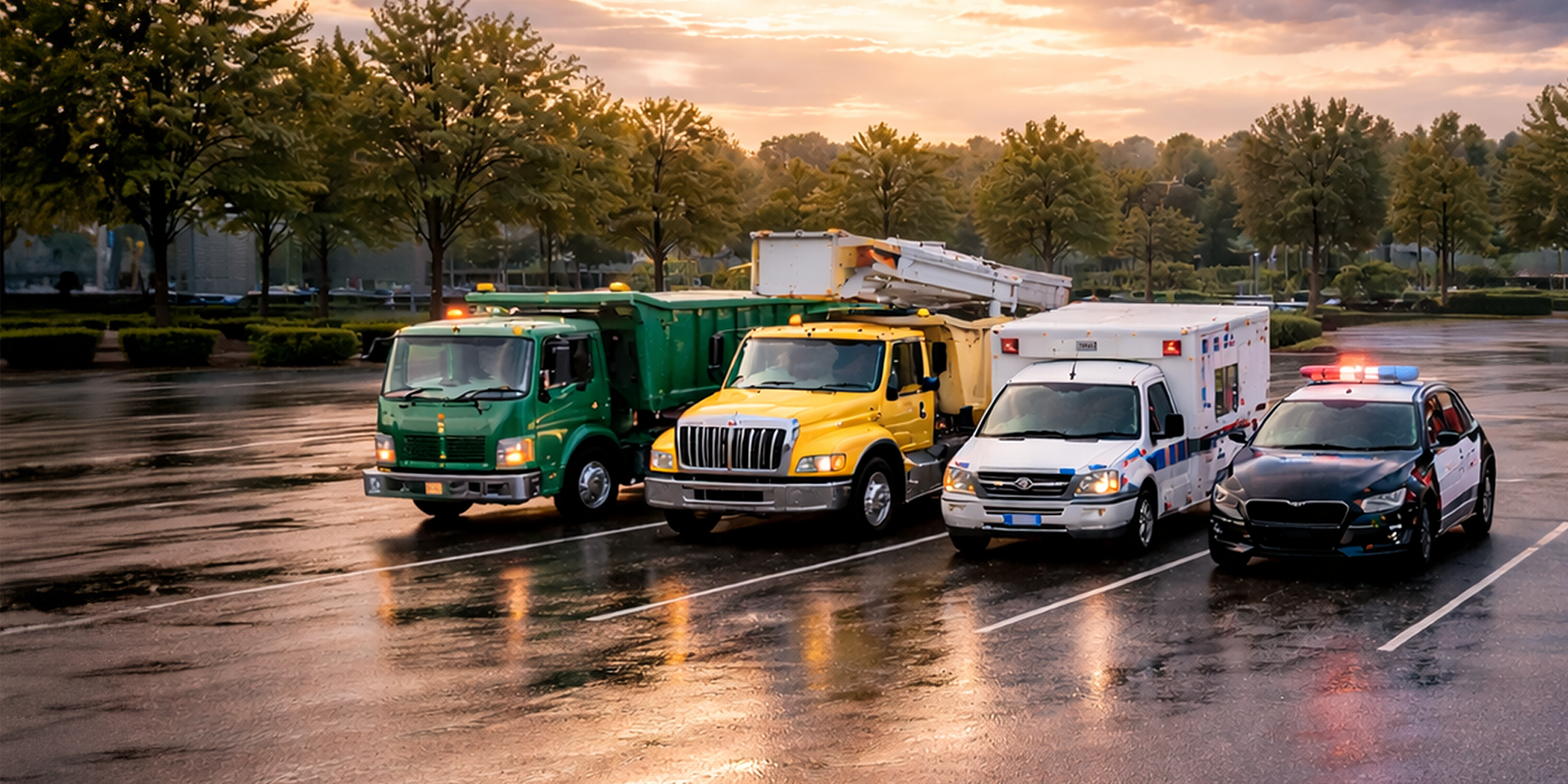
This is also the right time to standardize where possible. Fewer configurations can simplify technician training, inventory planning, and replacement forecasting. Standardization should serve the mission, though. A refuse truck, patrol vehicle, bucket truck, and facilities van should not be managed as if they have the same operating demands.
3. Track Utilization, Availability, and Readiness
Assets that are underused can tie up capital. Assets that are overworked may wear out early or create service gaps. Measuring utilization helps leaders see both problems.
Useful measures include miles or hours per asset, days in service, assigned versus unassigned assets, idle time, and utilization by class or department. Those figures are most useful when paired with availability data. A highly utilized asset that is frequently down for repair may be carrying too much risk.
Use those measures to make a decision, not just populate a dashboard. An underused vehicle in one department may be a better reassignment candidate than a new purchase for another. A heavily used asset with repeated downtime may justify a temporary rental, a review of maintenance capacity, or an earlier replacement request before it creates a service failure.
For equipment fleets, meter readings are particularly important. Hours, cycles, and load conditions often tell a more useful maintenance story than calendar dates alone. Set a dependable process for collecting meter data through operator checks, telematics, fuel transactions, inspections, or automated imports. Telematics fleet alerts can help teams turn vehicle data into maintenance action.
The end result should be a current answer to a basic operating question: Which assets are ready to work today, and which need attention?
4. Use Preventive Maintenance to Protect Asset Life
Preventive maintenance turns maintenance from a reactive scramble into scheduled work.
Build maintenance intervals around manufacturer recommendations, operating conditions, equipment type, and actual meter readings. Then use the system to create upcoming-service alerts and work orders before assets become overdue.
A strong preventive maintenance program should account for:
- Routine inspections and safety checks
- Oil, fluid, filter, tire, and battery service
- Seasonal preparation and specialized equipment checks
- Regulatory inspections and documentation
- Warranty work and recall campaigns
- Condition-based maintenance for high-use or critical assets
Work orders should capture the labor, parts, downtime, repair codes, and issue history associated with every repair. That detail makes later decisions easier. Without it, a fleet manager may know an asset has been in the shop often, but not whether the problem is recurring, expensive, warranty-related, or normal for its class.
FASTER’s Fleet Maintenance Management solution supports this workflow by connecting scheduled maintenance, work orders, labor, and work-in-progress visibility. The value is not the alert alone. It is the ability to see whether overdue service, repeat repairs, or constrained shop capacity is affecting readiness.
5. Connect Parts, Labor, Fuel, and Other Costs to Each Asset
Purchase price is only one part of the financial picture. To understand an asset's total cost of ownership, fleet teams need to connect direct operating costs to the asset record.
Track costs such as:
- Parts and outside repair expenses
- Technician labor and overtime
- Fuel or energy use
- Tires and consumables
- Collision repairs
- Registration, insurance, and permits
- Rental or replacement-vehicle costs during downtime
This creates a cost history that can support budgeting, internal billing, and replacement decisions. It also helps managers spot exceptions. A vehicle with a high repair bill may still be economical if it performs critical work and has years of useful life remaining. Another may be ready for replacement if rising repair costs, downtime, and declining reliability are affecting operations.
The comparison should include the cost of keeping the asset in service, not just the repair invoice. When downtime requires a rental, creates overtime, or delays a mission-critical job, the operational cost can change the replacement case even when the individual repair appears manageable.
6. Keep Compliance and Inspections Visible
Compliance tasks should not depend on memory or a calendar that only one person can access. Use asset records and automated reminders to manage inspections, licenses, permits, safety campaigns, and other time-sensitive obligations.
The exact requirements vary by fleet and jurisdiction, but the management approach is consistent: assign responsibility, document completion, retain the record, and make upcoming deadlines visible before they create a service interruption.
Inspection forms can also serve a broader purpose. Operator-reported defects and technician findings provide early warning signs that can prevent more costly failures later.
7. Make Replacement Decisions With Lifecycle Data
Replacement should be a planned decision, not the result of a breakdown that forces an urgent purchase. Lifecycle planning gives fleet leaders time to prioritize capital requests, compare options, and explain why a replacement is needed.
Review each asset using a mix of operational and financial factors:
- Age, mileage, hours, and remaining expected life
- Maintenance and repair trend
- Availability and downtime
- Cost per mile or cost per hour
- Safety, reliability, and compliance concerns
- Suitability for the current mission
- Replacement cost, lead time, and residual value
There is no universal rule that says every asset should be replaced at a specific age or meter reading. A well-maintained asset with predictable costs may remain useful longer than expected. Conversely, a newer asset with recurring failures may need a different response.
Prioritize assets where several factors point in the same direction: rising repair costs, increasing downtime, a safety or compliance concern, and a replacement lead time that supports the capital request. That gives finance and leadership a clearer capital case than age alone.
FASTER’s Asset Management capabilities bring utilization, maintenance cost, and service-history data into the lifecycle review, helping teams compare remaining life, replacement cost, and asset performance using the same record.
8. Retire Assets With a Clear, Auditable Process
Disposal is the final stage of the lifecycle, but it should still be carefully managed. Before an asset leaves the fleet, confirm that records are complete and that the organization has followed its disposal, financial, and data-security procedures.
A retirement checklist may include:
- Final meter readings
- Condition documentation
- Title or ownership paperwork
- Removal of decals or equipment
- Transfer of reusable parts
- Final cost reporting
- Removal or deactivation of telematics devices, fuel cards, access credentials, and stored data
- Close the record with the disposal method, sale or salvage value, retirement date, and reason for removal. This information strengthens future replacement analysis and makes audits easier.
9. Turn Fleet Data Into Decisions
Fleet asset management works best when data is reviewed on a regular operating cadence, not just collected. A monthly review can surface immediate readiness and maintenance exceptions, while a quarterly review can support budget, replacement, and capacity decisions.
Consider tracking a focused set of measures:
- Fleet availability
- Preventive maintenance compliance
- Unplanned downtime
- Cost per mile or hour
- Maintenance cost by asset class
- Open work orders and backlog
- Parts stockouts and inventory value
- Assets approaching replacement criteria
The review should end with assigned decisions: move an underused asset, address an overdue maintenance backlog, authorize a rental, adjust parts stocking, or advance a capital request. Technicians need clear work queues. Supervisors need to see readiness and backlog. Finance teams need dependable cost and capital forecasts. Leadership needs evidence that fleet resources are supporting the organization’s mission.
Build a Lifecycle Program That Keeps Assets Mission-Ready
Fleet asset management is a discipline of making small, informed decisions throughout an asset's life. Accurate records, preventive maintenance, connected cost data, and proactive replacement planning help fleets reduce surprises and keep vehicles and equipment available when they are needed.
With that discipline in place, fleet leaders can plan capital needs with confidence, protect their budgets, and keep the fleet ready for the work ahead. To see how FASTER can support a connected lifecycle program, talk with a fleet software expert.